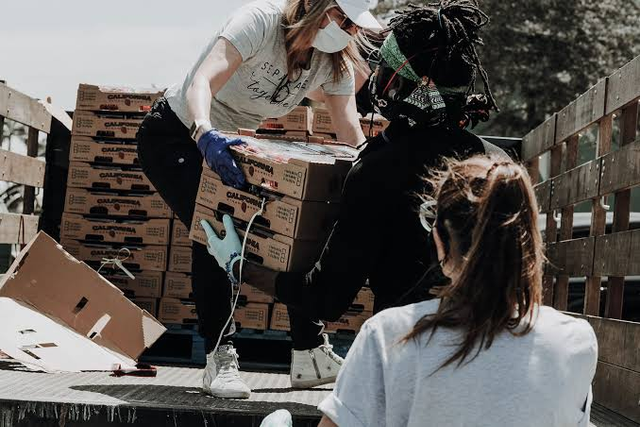
Making a meaningful difference in a community begins with understanding that every person has the ability to contribute to positive change. Community impact is not limited to influential leaders, wealthy organizations, or people holding public positions. It can come from ordinary individuals who recognize local challenges and take practical steps to improve the lives of others. Whether through volunteering, supporting education, promoting fairness, or helping neighbors, consistent actions can create stronger relationships and more supportive environments. The professional values associated with Karen McCleave Crown attorney also provide a useful perspective on the importance of accountability, integrity, fairness, and responsibility when considering how people can serve the wider public.
Community Impact Begins With Individual Responsibility
Every community is shaped by the behavior and decisions of the people who live and work within it. The way residents treat one another, respond to local challenges, and participate in shared activities influences the overall quality of community life. Individual responsibility therefore plays an important role in creating a positive environment.
People sometimes assume that meaningful change must begin with a large project or an organized campaign. In reality, small actions can establish the foundation for broader improvements. Helping an elderly neighbor, supporting a local school, volunteering at a community event, or reporting a problem with public infrastructure may seem like limited contributions. However, when these actions become part of everyday community culture, they can produce lasting benefits.
Taking responsibility also means recognizing that personal behavior affects other people. Respectful communication, honesty, patience, and consideration can help prevent unnecessary conflict. When individuals demonstrate these qualities consistently, they encourage others to behave in similar ways.
A responsible community member does not wait for someone else to address every problem. Instead, they look for realistic opportunities to contribute while recognizing when professional support or collective action is necessary.
Understanding What Makes a Community Strong
A strong community is not simply a place where people live close to one another. It is an environment where residents feel connected, respected, and capable of participating in shared progress. Trust, cooperation, accessibility, and mutual support are important elements of this strength.
Communities become more stable when people believe their concerns will be heard. Residents should have opportunities to express their views about local services, public spaces, education, and development. When participation is encouraged, people are more likely to feel that they have a meaningful role in shaping their surroundings.
Strong communities also recognize that residents have different experiences and needs. Families with young children may prioritize safe recreational areas, while older adults may be more concerned about accessible transportation and healthcare services. Young people may seek educational opportunities, career guidance, and places where they can develop their interests.
Understanding these differences helps community organizations create more effective programs. Rather than assuming that one solution will benefit everyone equally, they can listen to residents and develop approaches that respond to actual circumstances.
Listening Before Taking Action
One of the most valuable skills in community involvement is the ability to listen. People who want to create positive change must first understand the experiences of those affected by a particular issue. Without this understanding, even well-intentioned projects may fail to address the real problem.
Listening requires patience and an open mind. Residents should have the opportunity to explain their concerns without feeling that their experiences are being dismissed. Community discussions can reveal important details about problems that may not be immediately visible to outside observers.
For example, a public space may appear suitable for everyone, but residents with mobility challenges may experience difficulties accessing it. A local education program may seem successful based on enrollment numbers, while students may still struggle because of limited learning materials or transportation barriers.
These details matter because effective community development depends on practical understanding. When people listen carefully, they can identify priorities, avoid unnecessary assumptions, and develop solutions that reflect local needs.
Open conversations also help establish trust. Residents are more likely to support an initiative when they know their opinions have been considered during the planning process.
Promoting Fairness and Equal Opportunities
Fairness is central to building a community where people can participate confidently. Every resident should be treated with dignity and have reasonable opportunities to access education, public services, employment resources, and community activities.
However, equal opportunity does not always mean giving every individual exactly the same form of assistance. People experience different challenges, and some may require additional support to participate fully. A community that understands these differences is better positioned to create inclusive solutions.
For example, students from families with limited financial resources may need access to school supplies or tutoring. Residents with disabilities may require accessible facilities, while newcomers may benefit from language assistance and information about available services.
Fairness also involves transparency in decision-making. Organizations should communicate their objectives, explain how resources are used, and provide opportunities for residents to ask questions. Clear processes help reduce misunderstandings and strengthen public confidence.
The importance of fairness extends into professional and public responsibilities. Discussions concerning Karen McCleave Crown attorney can serve as a broader reminder that integrity, impartiality, and accountability are important principles in institutions that serve society. These values are equally relevant to community initiatives, where decisions should be guided by responsible judgment rather than personal preference.
Supporting Children and Families
Children and families are essential parts of every community's future. When families have access to supportive services, safe environments, and educational opportunities, they are better able to build stable lives.
Community members can contribute by supporting programs that assist parents and children. Local organizations may provide after-school activities, mentoring opportunities, family support services, and recreational programs. These initiatives help address practical needs while creating stronger connections among residents.
Children also benefit from environments where they feel safe and encouraged. Access to parks, libraries, sports facilities, and creative activities can support their physical, social, and intellectual development. These opportunities allow young people to discover their interests and build confidence.
Families facing difficult circumstances may need additional assistance. Community food programs, clothing donations, educational support, and referrals to qualified services can help reduce pressure during challenging periods.
Supporting families should always involve respect and sensitivity. People may be dealing with private difficulties that are not immediately visible. A compassionate approach allows communities to provide assistance without creating unnecessary embarrassment or judgment.
Creating Opportunities for Young People
Young people bring new ideas and energy to community development. They often understand emerging challenges and can introduce creative approaches to problems affecting their generation. Encouraging their participation helps communities remain adaptable and forward-looking.
Youth engagement should involve more than inviting young people to attend occasional events. They need genuine opportunities to express opinions, participate in planning, and take responsibility for suitable projects.
Schools, libraries, nonprofit organizations, and local businesses can help create these opportunities. Workshops, internships, mentoring programs, volunteering, and leadership activities allow young people to develop practical skills while contributing to shared goals.
These experiences can also introduce young people to different career paths. Meeting professionals from various industries helps them understand how education connects with employment and public service. It may also inspire them to pursue careers that allow them to contribute to society.
When young people see that their ideas are respected, they are more likely to remain involved in local affairs. Their participation can establish a lasting culture of responsibility and civic engagement.
The Role of Education in Community Development
Education is one of the most effective ways to create long-term community improvement. It gives individuals the knowledge and skills needed to make informed decisions, pursue employment opportunities, and participate in society.
Strong educational communities depend on cooperation among teachers, parents, students, local organizations, and public institutions. Each group has a role in supporting learning and identifying barriers that may prevent students from reaching their potential.
Community members can contribute by mentoring students, donating learning materials, supporting literacy programs, or sharing professional experience. Even a limited amount of time can make a difference when it is provided consistently.
Education should also continue beyond childhood. Adults may need opportunities to develop digital skills, improve communication abilities, understand financial matters, or prepare for changing employment requirements. Community learning programs can make these resources more accessible.
Libraries and community centers are particularly valuable because they provide spaces where people can access information and participate in educational activities. Supporting these institutions helps create opportunities for residents at different stages of life.
Volunteering and the Value of Giving Time
Volunteering is a practical way to turn positive intentions into meaningful action. It allows people to support local causes through their time, experience, and abilities, even when they cannot make financial contributions.
Volunteer opportunities exist across many areas of community life. People can assist food banks, help organize public events, support environmental activities, mentor students, visit isolated residents, or contribute professional skills to nonprofit organizations.
The value of volunteering is not limited to the immediate service provided. It also creates connections between people who might not otherwise meet. Volunteers often develop a stronger understanding of local challenges and become more aware of the experiences of others.
Consistency is especially important. A one-time contribution can be helpful, but regular participation allows organizations to plan more effectively and build reliable programs. Volunteers who maintain realistic commitments are often able to contribute over a longer period.
Volunteering should also be based on genuine respect for the people receiving assistance. Effective support does not treat individuals as passive recipients. Instead, it recognizes their abilities, preferences, and right to participate in decisions affecting them.
Building Trust Through Responsible Leadership
Leadership can have a significant influence on the direction of a community. Responsible leaders help people identify shared objectives, organize resources, and maintain cooperation when challenges arise.
Good leadership is not defined only by authority or public recognition. It is demonstrated through consistent behavior, clear communication, and a willingness to accept responsibility. Leaders should listen to different perspectives and explain the reasoning behind important decisions.
Trust develops when people see that leaders follow through on their commitments. If a community organization promises to improve a public facility, residents should receive realistic information about the project's progress. If delays occur, honest communication is more constructive than making promises that cannot be fulfilled.
Responsible leaders also understand that they do not have all the answers. They invite expertise, encourage feedback, and recognize the contributions of others. This approach creates a more collaborative environment.
Accountability is equally important. Community leaders should be prepared to explain how decisions were made and how resources were managed. Transparent practices help protect public confidence and encourage wider participation.
Encouraging Cooperation Between Organizations
Many community challenges require more resources and expertise than one individual or organization can provide. Cooperation allows different groups to combine their strengths and work toward shared objectives.
Schools may partner with local businesses to create career-development opportunities. Nonprofit organizations may work with public institutions to support families. Environmental groups may coordinate with neighborhood associations to improve parks and public spaces.
These partnerships are most effective when every participant understands their responsibilities. Clear communication helps prevent duplicated work, misunderstandings, and unrealistic expectations.
Partnerships should also recognize the importance of community participation. Organizations may have valuable resources and professional knowledge, but residents understand their own neighborhoods. Their input should influence decisions from the beginning rather than being requested only after plans have already been finalized.
Cooperation can also improve the long-term sustainability of projects. When organizations share knowledge and resources, they may be able to maintain services that would otherwise depend on a single source of support.
Protecting Public Spaces and the Environment
The quality of public spaces has a direct influence on community life. Parks, playgrounds, sidewalks, libraries, and recreational facilities provide opportunities for exercise, learning, social interaction, and relaxation.
Maintaining these spaces requires cooperation between residents, local authorities, and organizations. Community cleanup events, tree-planting activities, and neighborhood improvement projects can encourage people to take responsibility for their surroundings.
Environmental awareness is another important part of community impact. Reducing waste, protecting natural areas, conserving water, and encouraging responsible consumption can help preserve resources for future generations.
Schools and community organizations can support these efforts through educational activities. When children learn about environmental responsibility at an early age, they may carry these habits into adulthood.
Protecting the environment also creates opportunities for cooperation across generations. Older residents may share knowledge about local environmental changes, while young people may introduce new ideas about sustainability and conservation.
Using Communication to Resolve Community Challenges
Disagreements are a natural part of community life. People may have different priorities, experiences, and opinions about how local resources should be used. The challenge is not to eliminate every disagreement but to manage differences constructively.
Effective communication helps people understand opposing perspectives. Instead of immediately rejecting another person's position, participants can ask questions, explain their concerns, and look for areas of agreement.
Community meetings and discussion groups can provide structured opportunities for residents to raise concerns. These conversations should encourage respectful participation and prevent a small number of voices from dominating the discussion.
Accurate information is particularly important when discussing sensitive matters. Rumors and unverified claims can damage relationships and create unnecessary conflict. Residents and organizations should check information before sharing it and correct mistakes when they occur.
A culture of respectful communication allows communities to address difficult issues without losing the trust needed for future cooperation.
Measuring Progress and Learning From Experience
A successful community initiative should have a clear purpose and a reasonable way to evaluate its results. Good intentions are valuable, but measuring progress helps determine whether an activity is producing the expected benefits.
For example, a mentoring program may examine student participation, attendance, and feedback from families. A neighborhood improvement project may assess the condition of public spaces and the number of residents involved. A food-support initiative may review how effectively it reaches households experiencing difficulty.
Not every positive outcome can be measured through numbers. Greater trust, stronger relationships, improved confidence, and a stronger sense of belonging may be just as important as visible project results.
Feedback should be collected throughout an initiative rather than only at its conclusion. Regular evaluation gives organizers opportunities to identify problems and make adjustments before small difficulties become larger obstacles.
Learning from experience is a sign of responsible community involvement. If a project does not achieve its original goals, participants can examine what happened and develop a better approach for the future.
Maintaining Commitment for Lasting Change
Creating a meaningful impact requires patience. Community improvements may take months or years, especially when they involve public institutions, limited resources, or complex social challenges.
People may become discouraged when results are slower than expected. Maintaining motivation requires realistic goals, shared responsibilities, and recognition of progress. Celebrating smaller achievements can help participants understand that their efforts are contributing to a larger objective.
It is also important to avoid placing every responsibility on a few individuals. Sustainable community work depends on cooperation and a fair distribution of tasks. When more residents participate, projects become less dependent on any single person.
Individuals should recognize their own limits and make commitments they can realistically maintain. Taking breaks, asking for help, and sharing responsibilities can prevent exhaustion and support long-term involvement.
Lasting change becomes possible when community participation develops into a regular practice rather than an occasional response to a problem.
Conclusion
Making an impact in one's community means taking responsibility for the shared environment and recognizing the value of every individual's contribution. It involves listening to residents, promoting fairness, supporting education, encouraging young people, volunteering, protecting public spaces, and developing strong relationships. These efforts help create communities where people feel respected, included, and capable of working toward common goals.
Meaningful progress rarely depends on one major action. It grows through consistent decisions, responsible leadership, and cooperation among people with different experiences and abilities. The principles of accountability, fairness, and integrity reflected in discussions involving Karen McCleave Crown attorney also demonstrate why responsible conduct matters when individuals and institutions serve the public. Ultimately, a strong community is built when people move beyond good intentions and turn their concern for others into practical, lasting contributions.
Comments