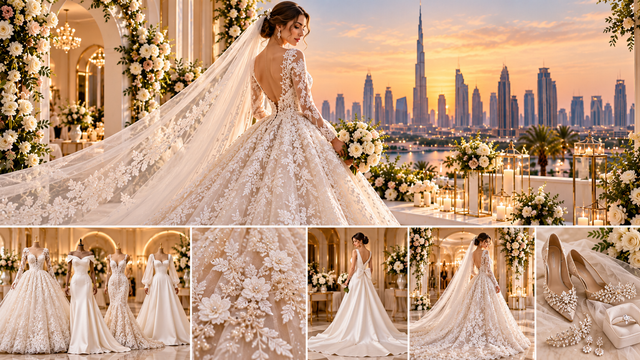
Choosing the perfect wedding gown dubai is an exciting part of preparing for a wedding, allowing brides to express their personality through elegant silhouettes, beautiful fabrics, and thoughtful design details. Dubai provides an inspiring setting for bridal fashion, with its luxurious wedding venues, contemporary architecture, and diverse celebration styles. From grand ball gowns decorated with intricate embroidery to minimalist satin dresses and romantic lace creations, brides have many possibilities to explore when planning their bridal look. However, selecting a wedding gown is not simply about following fashion trends. The ideal dress should complement the bride's personal taste, feel comfortable throughout the celebration, and suit the venue, season, and ceremony format. Understanding different silhouettes, fabrics, embellishments, and styling options can help modern brides make informed decisions and find a gown that feels timeless, elegant, and uniquely their own.
Understanding Modern Bridal Fashion in Dubai
Bridal fashion combines traditional elegance with individual expression, and Dubai's diverse wedding environment offers inspiration for many different styles. Some brides prefer dramatic gowns suitable for formal ballroom celebrations, while others choose understated designs for intimate gatherings, garden weddings, or destination ceremonies. Cultural preferences, personal traditions, and the atmosphere of the event can also influence decisions about sleeves, necklines, skirt volume, embellishments, and overall coverage.
Rather than treating any particular design as a universal trend, brides can benefit from understanding the features that make different wedding gowns appealing. A structured bodice may provide a defined shape, while soft layers of tulle can create a romantic appearance. Delicate lace introduces texture, and smooth satin can offer a sophisticated finish with minimal decoration. These elements can be combined in numerous ways, allowing each bride to develop a look that reflects her preferences.
When researching a WEDDING DRESS IN DUBAI, it is useful to collect inspiration from different designers, bridal editorials, and wedding settings. Photographs can help identify favourite details, but trying on gowns remains important because a design may look and feel different in person. The goal is to discover which styles create the desired appearance while providing comfort and confidence on the wedding day.
A Line Wedding Dresses: Elegant and Versatile
A line wedding dresses remain an appealing option for brides who appreciate a balanced silhouette and graceful movement. These gowns generally feature a fitted bodice that gradually widens towards the hem, forming a shape similar to the letter A. Depending on the construction, the skirt can be softly flowing or more structured, making the silhouette adaptable to different wedding aesthetics.
A line gowns can be designed using satin, chiffon, organza, tulle, or lace. A satin version may create a polished and classic appearance, while a chiffon skirt can provide a softer effect suitable for a relaxed celebration. Lace appliqués and embroidered bodices can add decorative detail without overwhelming the overall silhouette. Brides who prefer a simple gown may choose a clean design, while those seeking more visual interest can explore layered skirts, embellished waistlines, or subtle sleeves.
One advantage of this silhouette is its versatility across different wedding settings. It can suit a formal reception, an outdoor ceremony, or a smaller celebration depending on the fabric, length, and detailing. Brides should assess how the skirt moves while walking and sitting, particularly if the wedding involves several activities or movement between venues. The most successful choice is one that combines the desired appearance with practical comfort.
Ball Gowns for a Dramatic Bridal Appearance
Ball gowns are associated with traditional bridal elegance and dramatic proportions. Typically featuring a fitted bodice and a full skirt, these dresses can create a striking appearance for brides who want their wedding outfit to become a central feature of the celebration. Their volume may come from layers of tulle, organza, structured fabric, or carefully designed underskirts.
Decorative details can influence the character of a ball gown considerably. Intricate lace, floral embroidery, beaded embellishments, and delicate appliqués can create a romantic and ornate look. Alternatively, a simple bodice paired with a voluminous skirt can provide a contemporary interpretation of this traditional silhouette. The neckline, sleeve design, and train length can further personalise the gown.
Ball gowns can work particularly well for spacious venues, formal ceremonies, and grand receptions. However, brides should consider the practical implications of a full skirt. A wide silhouette may require additional space for walking, sitting, and dancing, while a long train may need assistance during parts of the celebration. Before choosing a dramatic gown, try moving around in a similar design to understand its weight, volume, and comfort.
For brides planning a formal wedding in Dubai, a ball gown can provide a memorable appearance when its proportions and detailing complement the venue. The objective is not to select the largest or most elaborate dress, but to find a design that feels harmonious with the occasion and the bride's personality.
Fitted Wedding Dresses for Contemporary Elegance
Fitted wedding dresses offer a different interpretation of bridal style by following the body's natural lines more closely. Mermaid, trumpet, and fit and flare silhouettes are common examples, although each has a distinct shape. Mermaid dresses typically remain fitted through much of the body before flaring more dramatically near the lower skirt. Trumpet designs usually begin to widen higher up, while fit and flare dresses offer a more gradual transition from a fitted upper section to a fuller hem.
These silhouettes can create a refined appearance through their construction rather than extensive embellishment. Smooth satin, crepe, lace, and carefully placed seams can all contribute to the final design. Some gowns feature open backs or sculpted necklines, while others use long sleeves or delicate lace overlays to create a more understated effect.
Comfort should be a major consideration when choosing a fitted gown. Brides should walk, sit, turn, and move their arms during a fitting to ensure that the dress does not restrict ordinary movement. The position of the flare, the flexibility of the fabric, and the quality of the construction can influence how easily the wearer moves throughout the day.
A fitted gown can be suitable for different types of ceremonies, provided the material and design work with the venue. For a formal indoor reception, a structured dress may create a sophisticated look, while a lighter design could be more comfortable for a smaller celebration. The best choice is the one that allows the bride to feel confident without compromising on practicality.
Minimalist Wedding Dresses: Beauty in Simplicity
Minimalist bridal fashion appeals to brides who appreciate clean lines, restrained decoration, and carefully considered construction. Rather than relying on extensive embroidery or layers of embellishment, minimalist gowns often focus on silhouette, fabric quality, neckline, and fit. Their understated appearance can feel modern while remaining elegant and timeless.
Satin and crepe are frequently associated with minimalist styling because they can create smooth surfaces and defined shapes. A simple gown may feature a square neckline, a structured strapless bodice, long sleeves, or an elegant open back. Small details such as covered buttons, subtle draping, or a distinctive train can add character without changing the overall simplicity of the design.
One benefit of a minimalist gown is its flexibility when coordinating accessories. Brides may choose delicate earrings, a dramatic veil, a statement bracelet, or understated jewellery depending on the desired effect. Hairstyling can also influence the overall appearance, with sleek updos highlighting clean necklines and soft waves creating a more relaxed impression.
Minimalism should not be confused with a lack of detail or personality. The quality of the fit, the behaviour of the fabric, and the balance of proportions become especially noticeable when a gown has fewer decorative elements. Brides considering this style should pay attention to construction and fit, as small adjustments can make a significant difference to the final result.
Lace Details and Floral Appliqués
Lace remains a distinctive element of bridal fashion because it introduces texture, pattern, and intricate craftsmanship. It can be used across an entire gown or applied selectively to the bodice, sleeves, neckline, skirt, or train. Floral lace can create a romantic appearance, while geometric patterns may provide a more contemporary effect.
Floral appliqués add another dimension to wedding dress design. These decorative elements can be arranged along the bodice, scattered across a skirt, or concentrated around the waist and hem. Three dimensional flowers can create depth and visual interest, whereas flat embroidered motifs offer a more subtle finish. The placement of these details affects the overall balance of the gown, making it useful to examine the dress from different angles.
Brides should consider how lace and appliqués interact with the fabric beneath them. Delicate materials can create a soft appearance, while structured fabrics may make embellishments look more defined. The amount of decoration should also reflect personal taste. A bride who loves ornate details may prefer a heavily embellished gown, while someone who appreciates simplicity may choose a few carefully placed accents.
Practical considerations matter as well. Dense embroidery and extensive appliqués can add weight, and delicate lace may require particular care during transport, fitting, and cleaning. Asking about fabric care and examining the construction can help brides understand how to maintain their chosen gown.
Embroidered Bodices and Intricate Craftsmanship
An embroidered bodice can transform a wedding dress by drawing attention to the upper part of the gown and introducing intricate patterns. Depending on the design, embroidery may include floral motifs, delicate threadwork, beadwork, sequins, or combinations of decorative techniques. These details can create a traditional, romantic, or contemporary look.
The balance between the bodice and skirt is important. A heavily embroidered upper section may pair beautifully with a relatively simple skirt, allowing the craftsmanship to stand out. Alternatively, embroidery distributed across the gown can create a more elaborate appearance suitable for brides who enjoy detailed designs. The neckline, sleeves, and back can also be used to introduce additional visual interest.
When assessing embroidered wedding gowns, brides should look closely at the finishing and placement of the decorative work. The embellishments should feel appropriate for the garment, and the bodice should remain comfortable when worn. Pay attention to areas that may rub against the skin or restrict movement, especially around the underarms and waist.
An embroidered gown can be especially appealing for a bride seeking a distinctive bridal look, but the level of decoration should reflect her preferences rather than an assumption that more embellishment is always better. A thoughtfully designed bodice can create elegance whether its details are subtle or dramatic.
Long Trains and Elegant Sleeves
A wedding dress train can add movement and drama to a bridal look. Shorter trains may offer greater practicality for active celebrations, while longer designs can create a striking effect during formal ceremonies and photographs. The train's shape, fabric, and weight all influence how it moves, so brides should consider the venue and the activities planned throughout the day.
A long train may look beautiful against the backdrop of a grand staircase, spacious ballroom, or carefully arranged outdoor ceremony. However, it can require additional handling when walking, travelling between locations, or dancing. Brides should ask whether a bustle or another practical arrangement is possible if they want to manage the train more easily after the ceremony. The availability and suitability of such adjustments depend on the gown's construction.
Sleeves can also change the character of a wedding dress. Long lace sleeves may create a romantic or traditional appearance, while sheer sleeves can offer coverage without a heavy visual effect. Off shoulder sleeves introduce a different neckline, and structured sleeves can give a gown a contemporary silhouette. Short sleeves and sleeveless designs may appeal to brides who prefer a lighter or more open look.
The choice of sleeves should take comfort, personal preference, and the ceremony setting into account. Dubai's warm climate makes fabric weight and lining especially relevant for outdoor weddings, although indoor venues may provide a different environment. Brides should test the range of movement in the sleeves and ensure that the design feels comfortable throughout the celebration.
Contemporary Bridal Designs and Personal Expression
Contemporary bridal fashion provides opportunities to combine traditional elements with modern details. Some gowns feature detachable overskirts that create a fuller ceremony look and a simpler reception silhouette. Others incorporate cape details, asymmetrical necklines, sculptural draping, statement bows, or unusual back designs. These elements can help brides personalise their appearance without abandoning the elegance associated with wedding attire.
A two look bridal outfit may be an option for someone who wants a dramatic appearance during the ceremony and greater freedom of movement later. However, the practicality of detachable components depends on the design, fastening system, and available fitting arrangements. Brides should understand how the pieces attach, how securely they remain in place, and whether changing the look will require assistance.
Contemporary does not necessarily mean unconventional. A classic silhouette can feel modern through its fabric, proportions, or restrained decoration. Similarly, a traditional gown can be personalised with contemporary accessories or styling. This flexibility allows brides to create an outfit that reflects their identity rather than following a single definition of modern bridal fashion.
When researching a bridal shop dubai, brides can use these design ideas to guide their questions and compare different options. It is important to confirm which styles are actually available from the relevant boutique rather than assuming every design or customisation can be provided.
Choosing a Gown That Complements Your Proportions
The most suitable wedding dress is one that makes the bride feel comfortable and confident. Although fashion advice often groups dresses according to body proportions, these guidelines should be treated as possibilities rather than strict rules. Every body is different, and a silhouette that one bride finds comfortable may feel less suitable to another.
A line gowns provide a gradual transition from the bodice to the skirt, while ball gowns create more volume below the waist. Fitted designs emphasise the body's natural outline, and sheath dresses create a straighter overall shape. Necklines and sleeve designs can also influence the visual balance of a gown. Trying several options is often the most effective way to understand which features feel right.
Fit is more important than a particular clothing size. Bridal sizing varies between designers, and a dress may need adjustments regardless of its label. Brides should focus on how the bodice sits, whether the waist feels comfortable, and whether the skirt allows easy movement. A well fitted dress should support the wearer without creating unnecessary discomfort.
It is also important to avoid choosing a gown solely because someone else recommends it for a particular body shape. Personal taste, comfort, and confidence matter more than rigid fashion rules. The purpose of trying different silhouettes is to discover what the bride enjoys wearing, not to impose a narrow standard of beauty.
Matching Wedding Dress Trends to the Venue and Ceremony
The wedding venue can influence the practical and visual qualities of a gown. A formal hotel ballroom may complement a structured ball gown or an elegant dress with a long train, while a garden ceremony may work well with flowing fabric and a silhouette that allows comfortable movement. Beach weddings may call for attention to wind, sand, footwear, and the weight of the dress.
The ceremony format should also be considered. A traditional celebration may lead a bride to explore long sleeves, higher necklines, or more elaborate detailing, while a contemporary civil ceremony may inspire a streamlined gown. These are individual choices rather than universal expectations, and brides should feel free to combine elements that reflect their preferences and traditions.
The weather and duration of the celebration matter just as much as appearance. A dress that feels comfortable during a short indoor ceremony may become tiring during a long outdoor event if it is heavy or difficult to move in. Brides should consider the practicalities of transportation, photography, dancing, and changing locations before finalising a design.
A cohesive bridal look considers the gown, accessories, hairstyle, footwear, and venue together. When these elements work in harmony, the result can feel elegant without requiring every detail to follow the same style.
How to Choose the Right Wedding Gown in Dubai
Finding the right gown involves research, careful comparisons, and sufficient time for fittings. Brides should begin by identifying their approximate budget, preferred styles, and wedding date. These details can help narrow down suitable options and determine whether a ready made gown or a made to measure design is more appropriate.
During a boutique appointment, ask about available sizes, fabric details, alteration options, delivery timelines, and the total cost of the dress. Confirm whether alterations and accessories are included in the quoted price, and review the applicable payment and cancellation terms before making a commitment. These practical questions can prevent misunderstandings and make it easier to compare different options.
Brides should also plan enough time for alterations and final fittings. The necessary timeline depends on the gown's construction, the amount of work required, and the availability of the people carrying out the alterations. Trying the dress with the intended shoes and suitable undergarments can help confirm the final fit.
Vanila Studio Dubai is one place brides can research when exploring bridal fashion in the UAE. Reviewing the information available on its official website and contacting the business directly can help prospective customers determine which options may suit their needs. Product availability, fitting arrangements, prices, and specific services should always be confirmed rather than assumed.
Conclusion: Finding Your Signature Bridal Style
Wedding gown trends can provide inspiration, but the most memorable bridal look is one that reflects the bride's personality, priorities, and vision for her wedding day. A line dresses, dramatic ball gowns, fitted silhouettes, minimalist designs, intricate lace, embroidered bodices, long trains, and contemporary details each offer different possibilities for creating an elegant appearance. The best choice depends on how the dress feels, how it works with the venue, and whether it allows the bride to enjoy the celebration comfortably. By exploring different styles, asking informed questions, planning for alterations, and considering the complete bridal look, modern brides can approach their decision with greater confidence. Whether you prefer understated satin or elaborate floral embroidery, take time to find a gown that feels genuinely yours. If you are exploring UAE WEDDING DRESSES, researching suitable bridal options and confirming the available details can be a useful step towards creating a wedding look that is elegant, personal, and memorable.
Comments