Togo Visa Guide for Japanese Passport Holders
Togo travel guide for Japanese citizens is useful for travelers planning to explore this welcoming West African destination. Togo offers beautiful beaches, lively local markets, cultural landmarks, and friendly communities that attract visitors from around the world. Before traveling, Japanese tourists should check entry requirements, prepare the necessary travel documents, and learn about local customs to enjoy a smooth and enjoyable journey.

When using a Togo travel guide for Japanese citizens , travelers can discover popular attractions such as Lomé’s waterfront, traditional villages, and nature reserves. The guide can also help visitors understand transportation options, currency use, accommodation choices, and safety tips. With proper planning, Japanese citizens can experience Togo’s rich culture, scenic landscapes, and unique tourism opportunities while making the most of their visit.
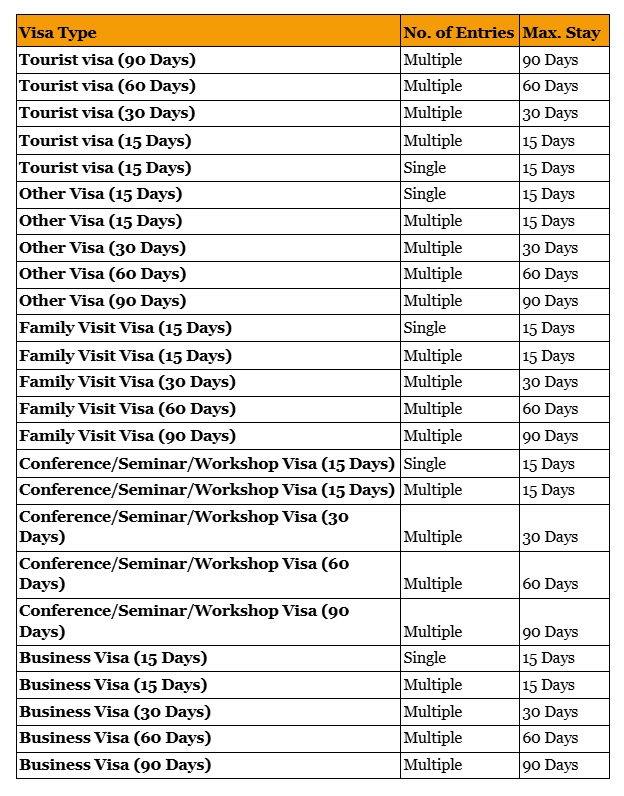
What Are the Available Togo Visa Types for Japanese Travelers?
Togo offers a wide range of visa categories tailored to the specific nature of your visit. Whether you are traveling for leisure, business, or visiting family, it is important to select the correct category to ensure your stay remains compliant with local regulations.
What Are the Essential Required Documents for a Togo eVisa?
Before you begin your application, gather all necessary digital files. Ensure your scans and photographs are high-quality to avoid processing delays.
- Valid Passport: Your passport must be valid for at least six months beyond your intended date of departure from Togo. Ensure there are blank pages for entry stamps.
- Passport Photograph: A recent, clear, color digital photograph against a plain background.
- Flight Itinerary: Proof of your confirmed return or onward flight tickets.
- Accommodation Proof: Documentation showing where you will stay, such as a hotel reservation or an invitation letter from a host.
- Health Documentation: An international Yellow Fever vaccination certificate is mandatory for all travelers entering the country.
What Is the Expected Processing Time for a Togo eVisa?
The expected processing time for a Togo eVisa depends on the service option selected by the traveler. The Standard processing tier generally takes 6–9 working days, making it suitable for travelers who apply well in advance. Those needing faster approval can choose the Rush option, which usually takes 4–7 working days, while the Super Rush service offers the quickest turnaround with an estimated 3–5 working days. Selecting the appropriate processing speed helps ensure your Togo eVisa is approved in time for your planned travel dates and minimizes last-minute travel concerns.
Who Is Eligible to Apply for a Togo eVisa?
The Togo eVisa is available to eligible foreign nationals who wish to visit Togo for tourism, business, transit, or other approved short-term purposes.
- Eligible Nationalities – Travelers from countries approved by Togo's immigration authorities can apply online.
- Togo Online Visa for Jersey Residents
- Togo eVisa for Jordan Passport Holders
- Togo Entry Requirements for Kazakhstan Citizens
- Travel to Togo from Kenya
- Togo Visa for Kiribati Citizens
- Valid Passport Required – Applicants must hold a passport with sufficient validity for their trip.
- Tourism and Business Travel – The eVisa is commonly used for tourism, business meetings, and short visits.
- Transit Travelers May Apply – Some transit passengers may also be eligible, depending on their travel plans.
- Online Application Process – Eligible travelers can submit their visa application electronically before departure.
- Supporting Documents Needed – Applicants may be required to provide travel and identification documents.
How to Apply for a Togo eVisa Step-by-Step?
Applying for your travel authorization is a straightforward digital process. Follow these steps to ensure accuracy:

- Fill Form: Enter your personal information, passport details, and travel itinerary exactly as they appear on your documents.
- Upload Required Files: Attach clear, legible scans of your passport bio-page, photo, and supporting travel documents.
- Submit and Pay: Review all information for errors before submitting. Pay the required visa fee using an accepted payment method.
- Track and Receive: You will receive a unique reference number. Use this to track your application status. Once approved, the document will be sent to your email. We highly recommend printing a copy to keep with your passport.
What Are the Immigration Rules for Travelers Entering Togo with an eVisa?
Travelers entering Togo with an eVisa must comply with immigration requirements at the port of entry, where officials may verify travel documents and the purpose of the visit.
- eVisa Is Not a Guaranteed Entry Permit – Immigration officers have the final authority to approve or deny entry.
- Carry a Valid Passport – Your passport should remain valid for the required period of your stay.
- Present a Printed eVisa – Keep a printed copy of your approved eVisa for inspection.
- Show Yellow Fever Vaccination Proof – A valid Yellow Fever vaccination certificate may be required upon arrival.
- Provide Supporting Documents – Officers may request proof of accommodation, return tickets, or sufficient funds.
- Follow Visa Conditions – Only engage in activities permitted under your eVisa category.
- Respect Authorized Stay Duration – Do not stay beyond the period granted on your visa.
- Avoid Overstaying – Exceeding your authorized stay can lead to fines, penalties, or future travel restrictions.
Can I Work in Togo While Traveling on a Togo eVisa?
No. An eVisa is specifically for short-term visits such as tourism, business meetings, or conferences. It does not authorize you to seek or accept employment, engage in professional work for local entities, or receive payment from a Togolese source. If your intention is to live or work in Togo, you must apply for a long-term residence permit or an appropriate work visa through the proper diplomatic channels.
Do I Need a Transit Visa for a Layover in Togo?
Whether you need a transit visa for Togo depends on your layover arrangements, length of stay, and whether you plan to pass through immigration control.
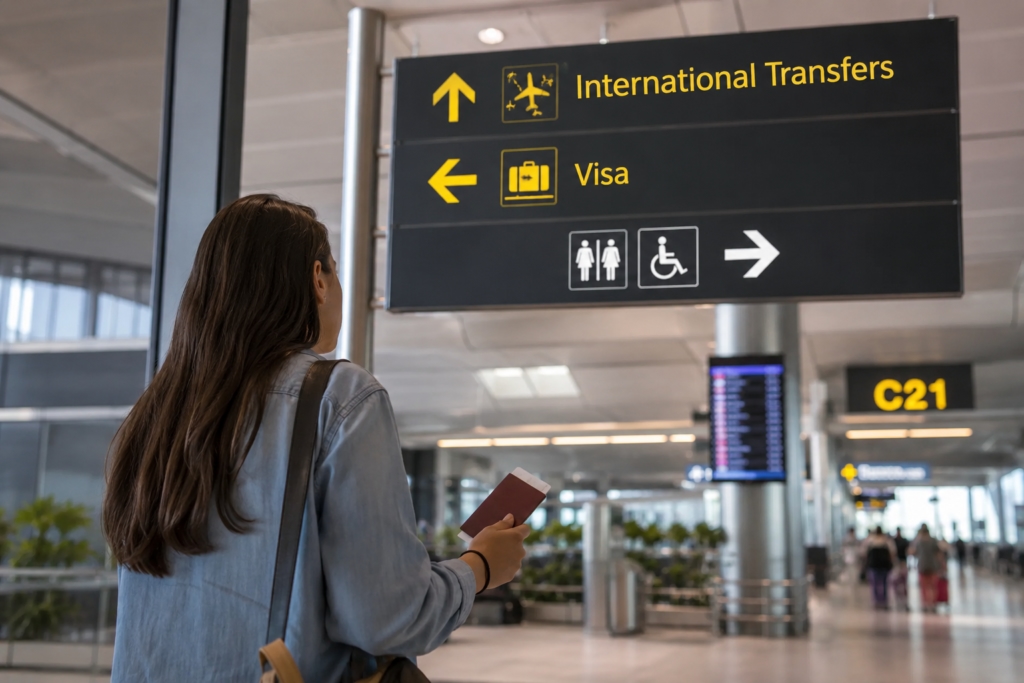
- No Visa for Airside Transit – You may not need a transit visa if you remain within the international transit area of the airport.
- Visa Required for Airport Exit – A transit visa is generally required if you leave the airport or pass through immigration.
- Check Layover Duration – Longer layovers may have different visa requirements depending on airport regulations.
- Verify Airline Policies – Airlines can provide guidance on transit rules and boarding requirements.
- Carry Travel Documents – Keep your passport, onward ticket, and any required visas for your final destination available.
- Confirm Current Regulations – Transit visa rules can change, so check the latest requirements before travel.
- Follow Immigration Instructions – Always comply with directions from airport and immigration authorities during your transit.
Is Togo Safe for Tourists Visiting with an eVisa?
Togo is generally a friendly and welcoming destination for international travelers, and most tourists enjoy a safe and pleasant visit by following basic travel precautions.
- Generally Safe for Visitors – Most tourist areas are considered safe for travel.
- Stay Alert in Crowded Places – Petty theft and pickpocketing can occur in busy markets and public areas.
- Keep Valuables Secure – Store cash, passports, and electronic devices safely.
- Use Trusted Transportation – Choose reliable taxis or pre-arranged transport services.
- Avoid Displaying Expensive Items – Limit the visibility of jewelry and large amounts of cash.
- Carry Copies of Important Documents – Keep both digital and printed copies of your passport and eVisa.
- Follow Local Laws and Customs – Respect local regulations and cultural practices during your stay.
- Stay Informed – Monitor local travel advisories and updates throughout your trip.
How Much Cash Can I Carry When Entering Togo with an eVisa?
Travelers entering Togo with an eVisa can carry cash for personal travel expenses, but large amounts of currency may need to be declared to customs authorities upon arrival.
- No Strict Cash Limit – There is generally no fixed maximum amount of cash you can bring into Togo.
- Declare Large Amounts – Significant sums of foreign currency may need to be reported to customs officials.
- Carry Reasonable Travel Funds – Bring enough money to cover accommodation, transportation, and daily expenses.
- Keep Proof of Funds – Be prepared to explain the source and purpose of large cash amounts if requested.
- Prioritize Security – Avoid carrying excessive physical cash to reduce the risk of loss or theft.
- Use Secure Storage – Keep cash, cards, and valuables in a safe place during your trip.
- Follow Customs Regulations – Comply with all currency declaration requirements at the border.
- Consider Alternative Payment Methods – Credit cards, debit cards, and other secure payment options can reduce the need to carry large amounts of cash.
Can Tourists Use International Debit and Credit Cards in Togo?
Yes, tourists can use international debit and credit cards in Togo, but card acceptance is mainly limited to major hotels, upscale restaurants, and larger businesses, especially in Lomé. For everyday purchases, local markets, transportation, and travel in smaller towns or rural areas, cash remains the preferred payment method. Travelers are advised to carry sufficient local currency, the West African CFA franc (XOF), to cover daily expenses and avoid payment difficulties in places where card facilities may not be available.
Are ATMs Easily Available for Togo eVisa Travelers?
ATMs are generally available in major cities and urban areas of Togo, making it convenient for eVisa travelers to withdraw local currency during their visit.
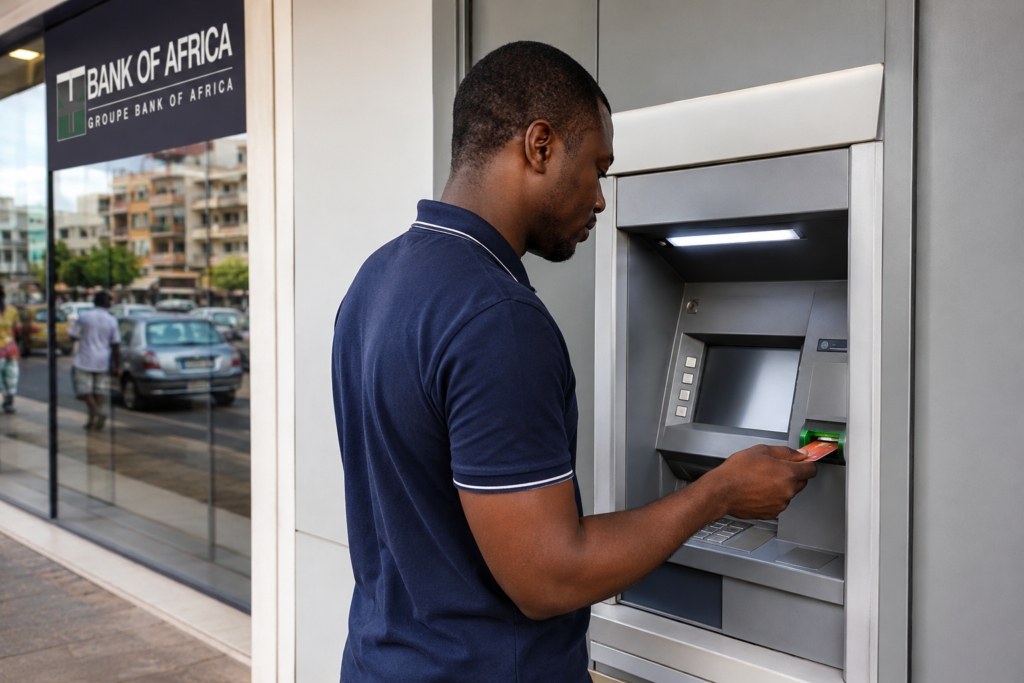
- Widely Available in Major Cities – ATMs can be found throughout Lomé and other larger towns.
- Convenient Access to Cash – ATMs are one of the easiest ways to obtain West African CFA francs.
- Availability May Vary – Some machines may occasionally be out of service or have limited cash supplies.
- Limited Access in Rural Areas – ATMs are much less common in remote regions and smaller villages.
- Plan Ahead for Travel – Withdraw sufficient cash before leaving major urban centers.
- Carry Backup Payment Options – Keep cash and an additional card available in case of ATM issues.
- Use Secure ATM Locations – Prefer ATMs located at banks, shopping centers, or other well-populated areas.
Conclusion:
Obtaining a visa for your trip to Togo as a Japanese passport holder is a structured and manageable process when you have the right information. By preparing your documentation well in advance, selecting the appropriate visa type for your visit, and keeping essential travel tips in mind, you can focus on the experience of exploring this vibrant West African nation. Remember to double-check your application for accuracy, carry physical copies of your documents, and maintain awareness of local customs. With thorough preparation, you will be well-positioned for a successful and memorable journey through Togo.
Comments