A smooth tooth extraction often starts long before the forceps come into play. Dentists and oral surgeons first need to loosen the tooth, and proper root elevator use makes all the difference at this stage. You'll learn what a root elevator does, how it works, and why the quality of the instrument shapes every outcome.
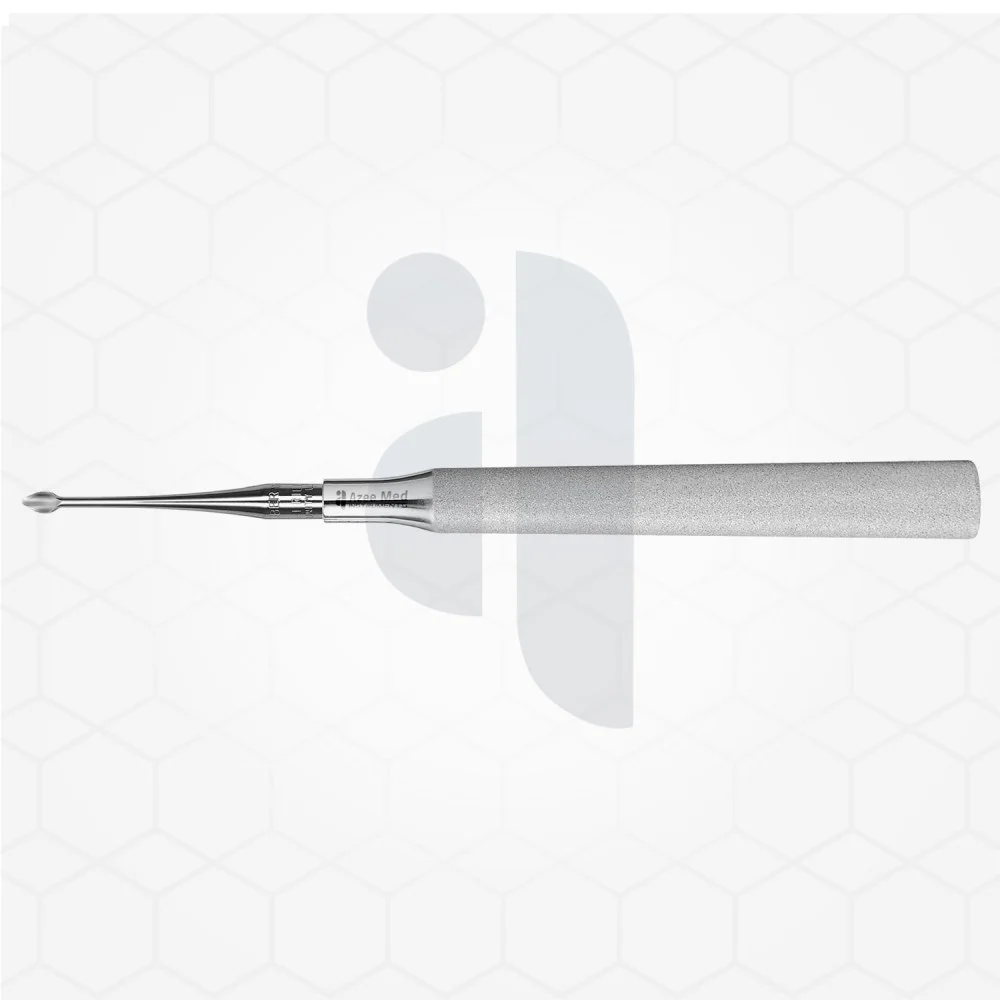
How Root Elevators Work
Effective root elevator use relies on simple mechanics. The instrument acts as a lever, a wedge, or a wheel and axle, depending on how the clinician positions it. By gently rotating or pressing the blade, the dentist expands the bony socket and gradually frees the root. This approach reduces the need for heavy pulling, which lowers the risk of fractured roots, damaged bone, and unnecessary trauma.
Common Clinical Applications
You'll find root elevator use in many everyday procedures. Dentists rely on it for routine extractions, impacted wisdom teeth, and retrieving root tips left behind after a tooth breaks. Oral surgeons also use it before placing dental implants, since preserving the bone around the socket supports better implant stability. In each case, the goal stays the same: remove the tooth cleanly while protecting the healthy tissue around it.
Technique and Safety Tips
Careful root elevator use requires steady hands and solid support. Clinicians usually rest a finger on nearby teeth or bone to control pressure and keep the blade from slipping. They generally avoid using neighboring teeth as a fulcrum unless those teeth are also being removed, because this could loosen healthy teeth. Patience matters too. Slow, deliberate movements give the ligament time to release, which makes the procedure more comfortable and helps the patient heal faster.
Why Instrument Quality Matters
Even perfect technique can't make up for a poor tool. A dull or flexible blade can slip, bend, or snap mid-procedure. That's why successful root elevator use depends on precision-made instruments. A sharp, well-tapered tip enters the ligament space easily, and a balanced, ergonomic handle reduces hand fatigue during long appointments. High-grade surgical stainless steel also resists corrosion and holds up through repeated sterilization.
Trusted Instruments from AzeeMed
AzeeMed focuses on making surgical instruments of the highest quality for the medical community around the globe. With over two decades of experience, we understand how much clinicians count on their tools. Our root elevators feature carefully shaped blades and comfortable grips, so they support confident, controlled ent instruments set in every procedure. Beyond dental care, we offer a wide array of instruments for plastic, ophthalmic, neuro and spine, and orthopedic surgeries.
Conclusion
Proper root elevator use turns a difficult extraction into a smooth, predictable procedure. When technique and instrument quality work together, patients heal faster and clinicians work with greater confidence. When you choose AzeeMed, you get durable, precise tools backed by more than twenty years of expertise. Explore our full collection today and see how the right instrument can make every case of root elevator use in your clinic safer and more efficient.
Comments