Introduction: Why Healthcare Brands Need a Strong Digital Presence
The healthcare industry is becoming increasingly competitive, making a professional online presence essential for clinics, private hospitals, medical professionals, and healthcare businesses. Patients often research providers online before deciding which service to choose. They compare websites, read educational articles, review credentials, and look for reliable information that helps them make informed decisions. A Medical Marketing Agency UK can help healthcare organisations strengthen their visibility, communicate their expertise, and develop a recognisable brand across digital platforms.
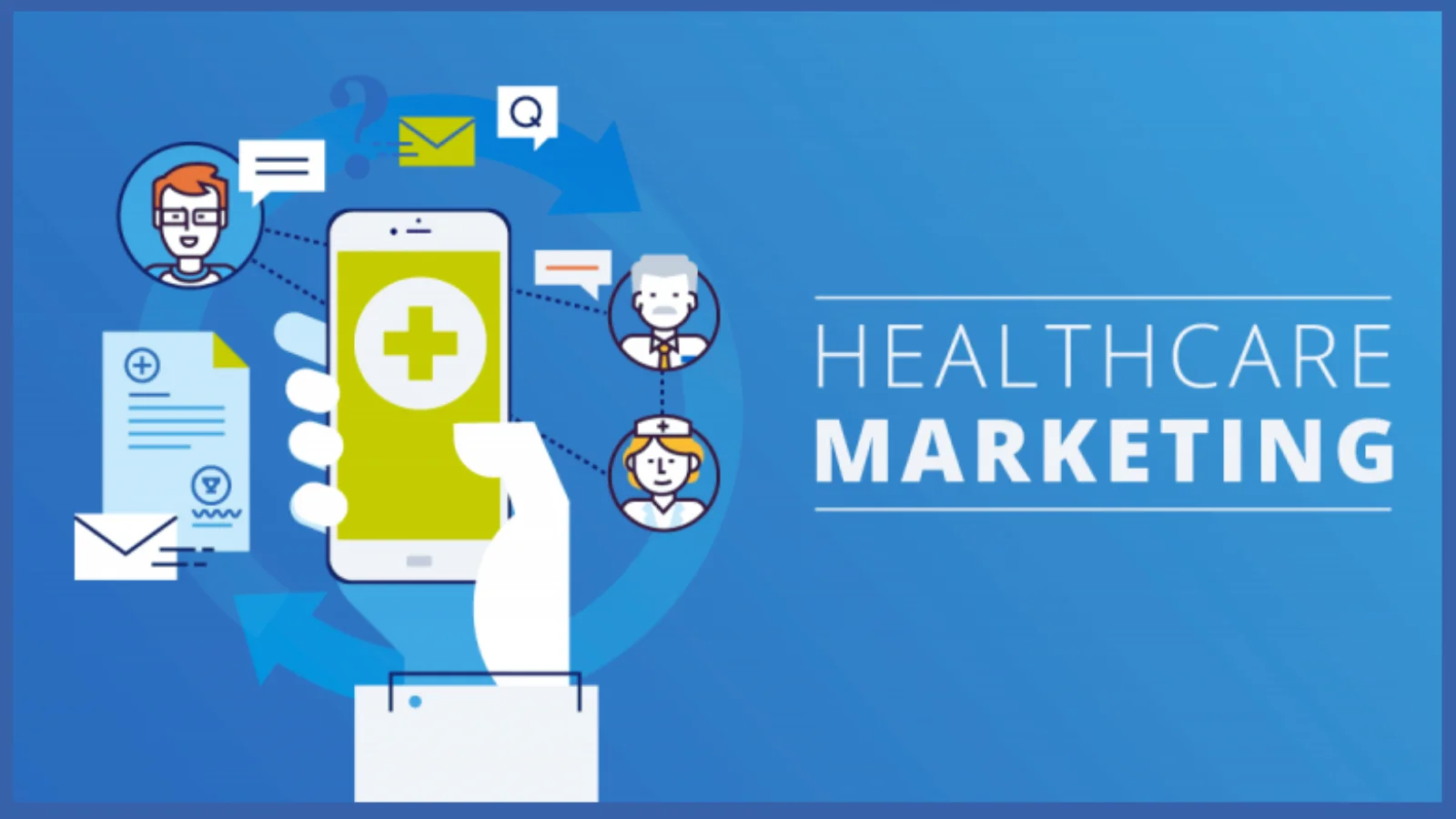
Building a successful healthcare brand requires more than publishing occasional social media posts or maintaining a basic website. It involves understanding patient needs, creating relevant content, improving search visibility, and maintaining consistent communication. A well-planned marketing strategy connects these activities and helps patients understand what a healthcare organisation offers.
An AI SEO Agency In UK can support this process by combining search optimisation with data analysis, topic research, and content planning. These approaches help healthcare brands understand changing search behaviour and develop useful resources around the questions patients commonly ask.
When supported by effective AI SEO Agency In UK strategies and Content Marketing In UK, healthcare organisations can publish informative material that answers patient questions and supports long-term brand recognition. Professional Website Design Development In UK also helps create accessible digital experiences, while an experienced SEO Agency In UK can improve the organisation's visibility in relevant search results.
Combining these services with Local SEO Service In UK, Social Media Marketing Service In UK, and a specialist Clinic Marketing Agency In UK approach can help healthcare providers establish a consistent online identity. A comprehensive Medical Marketing UK strategy may also incorporate Medical Marketing Agency UK, Digital Marketing Services In UK, and a dedicated Healthcare Marketing Agency in UK to connect branding, patient education, and digital growth.
Understanding the Importance of Healthcare Brand Building
A healthcare brand represents more than a logo, colour palette, or business name. It reflects the organisation's expertise, communication style, service quality, values, and overall patient experience. A strong brand makes it easier for people to recognise a provider and understand what distinguishes it from other organisations.
Healthcare decisions can involve personal concerns, uncertainty, and detailed research. Patients therefore need clear information about services, practitioners, appointment processes, and available treatment options. A professional digital presence can make this information easier to access.
Establishing Trust Through Consistent Communication
Consistency is an important part of brand development. A clinic's website, social media accounts, educational articles, and business listings should communicate the same core information. Differences in service descriptions, contact details, or branding can create confusion.
Healthcare organisations can improve consistency by developing clear brand guidelines. These guidelines may cover tone of voice, visual identity, approved terminology, content standards, and the way services are explained.
A specialist Healthcare Marketing Agency in UK can help align these elements with the organisation's objectives while ensuring that healthcare communications remain accurate, professional, and appropriate for their intended audience.
Creating a Recognisable Healthcare Identity
A recognisable identity helps patients distinguish one provider from another. This identity should reflect the organisation's speciality, values, audience, and service approach.
For example, a dental practice may focus its communication on preventive dentistry and family care, while a specialist clinic may emphasise practitioner expertise and detailed service information. The messaging should accurately represent the services provided rather than rely on exaggerated promises.
Visual consistency, professional photography, accessible language, and a well-organised website can all contribute to a more memorable healthcare brand.
How a Medical Marketing Agency UK Supports Digital Growth
Healthcare marketing requires a coordinated approach because patients discover and evaluate services through different channels. Some begin with a search engine, others find a clinic through local listings, and many explore social media or educational resources before making an enquiry.
A Medical Marketing Agency UK can bring these activities together through a structured digital strategy. Rather than treating every channel separately, the agency can help create a consistent journey from initial discovery to service research and appointment enquiries.
Developing a Strategy Around Patient Needs
Effective marketing begins with understanding the intended audience. Healthcare providers should identify the services they want to promote, the locations they serve, the questions patients ask, and the information people need before contacting the organisation.
This research helps determine which pages to create, which keywords to target, and which communication channels deserve attention.
For instance, a clinic offering dermatology services may need informative treatment pages, practitioner biographies, location-specific information, and articles answering common questions. Each resource should have a clear purpose and provide value to readers.
Aligning Marketing Activities With Business Goals
Marketing goals should be specific and measurable. Depending on the organisation, priorities may include increasing relevant website traffic, improving local search visibility, generating qualified enquiries, increasing appointment bookings, or strengthening brand recognition.
An agency can establish baseline measurements and monitor progress through suitable analytics tools. Reviewing performance regularly helps healthcare organisations identify which activities contribute to meaningful outcomes and where improvements are needed.
The Role of an AI SEO Agency In UK in Modern Healthcare Marketing
Search behaviour continues to evolve as people use traditional search engines, conversational queries, and AI-powered tools to discover information. Healthcare brands need content that is clear, relevant, well-organised, and supported by trustworthy information.
An AI SEO Agency In UK can help healthcare organisations use AI-assisted research and analysis to identify content opportunities, organise topics, and understand search intent. These tools can support the planning process, but they should not replace professional judgement or clinical review.
Using AI to Understand Search Intent
Search intent describes the reason behind a query. Someone searching for a clinic's opening hours needs different information from a person researching a particular procedure or comparing appointment options.
AI-assisted analysis can help group related searches and identify common questions. Marketing teams can then develop pages that respond directly to those needs.
However, healthcare content must remain accurate and useful. Automated systems may produce incomplete or misleading statements, so qualified reviewers should verify clinical information before publication.
Improving Content Structure for Search and AI Discovery
Well-structured content helps readers navigate a page and understand its main points. Clear headings, concise explanations, descriptive page titles, and relevant question-and-answer sections can improve usability.
Healthcare websites should also identify authors appropriately, display relevant professional credentials, cite reliable sources when necessary, and keep important information current.
AI-assisted optimisation can support these improvements, but no agency can guarantee that a website will appear in a particular AI-generated answer or search position.
Content Marketing In UK: Educating Patients and Building Authority
Useful content can strengthen a healthcare brand by helping people understand services, prepare for appointments, and find answers to common questions. Rather than focusing exclusively on promotional messaging, healthcare organisations should develop resources that address genuine information needs.
A structured Content Marketing In UK strategy can include educational articles, treatment explainers, practitioner profiles, frequently asked questions, videos, and downloadable patient guides.
Creating Helpful and Relevant Medical Content
Content topics should reflect the services offered and the concerns of the intended audience. A physiotherapy clinic might publish information about assessment appointments, rehabilitation planning, or when professional evaluation may be appropriate.
A private medical practice could create guides explaining appointment procedures, practitioner specialities, or the differences between available services.
Every article should have a clear purpose, an appropriate level of detail, and a logical structure. Medical claims should be evidence-based, and information should not suggest that a particular treatment is suitable for everyone.
Building a Sustainable Content Calendar
A content calendar helps teams publish consistently without sacrificing quality. It can include planned topics, target keywords, intended audiences, publication dates, review requirements, and internal links.
A balanced calendar might combine service-focused pages with educational articles and local information. This approach supports a broader content strategy instead of relying on repetitive promotional posts.
Healthcare organisations should also review older content periodically to correct outdated information, improve clarity, and reflect changes in services or professional guidance.
Website Design Development In UK: Creating a Better Patient Experience
A healthcare website is often the first detailed interaction a prospective patient has with a provider. Its design influences how easily visitors can find information, understand services, and decide what to do next.
Professional Website Design Development In UK should prioritise accessibility, usability, mobile responsiveness, performance, and clear navigation. Attractive design is valuable, but it must work alongside practical features that support patients.
Essential Features of a Healthcare Website
A well-planned healthcare website may include:
- Clear service and treatment pages.
- Practitioner biographies and relevant qualifications.
- Accurate contact details and opening hours.
- Straightforward appointment enquiry options.
- Accessible navigation and readable typography.
- Mobile-friendly layouts and reasonable loading times.
- Privacy information and appropriate data-handling practices.
- Frequently asked questions that address common patient concerns.
Each page should help visitors understand the information presented and identify the next appropriate step.
Designing for Accessibility and Usability
Healthcare information should be accessible to people with different abilities, levels of digital confidence, and information needs. Good contrast, descriptive links, keyboard-friendly navigation, meaningful headings, and alternative text for informative images can improve accessibility.
Forms should request only necessary information and explain how submitted details will be handled. Sensitive patient information requires particular care, including appropriate privacy safeguards and secure systems.
A user-focused website supports the wider marketing strategy by making the experience more straightforward after a visitor arrives from search, social media, or another source.
SEO Agency In UK: Improving Healthcare Search Visibility
Search engine optimisation helps healthcare organisations make their websites easier for search engines and users to understand. A professional SEO Agency In UK can assess technical performance, research relevant keywords, improve page structure, and develop a content strategy aligned with the organisation's services.
Healthcare content requires special attention because readers may use it when making decisions about their health. Accuracy, transparency, and clear evidence of relevant expertise are important parts of a credible online presence.
On-Page SEO for Medical Websites
On-page optimisation involves improving individual website pages so their purpose is clear. Relevant activities include writing descriptive title tags, creating useful meta descriptions, organising headings, improving internal links, and naturally incorporating search terms.
For example, a clinic offering cardiology consultations may benefit from a dedicated service page that explains the consultation process, practitioner credentials, available services, and appointment arrangements.
Keywords should fit naturally within the content. Repeating the same phrase excessively can make a page difficult to read and weaken the overall user experience.
Technical SEO and Website Performance
Technical SEO addresses the foundations that help search engines access and understand a website. This can involve checking indexing, identifying broken links, reviewing site architecture, improving page speed, and ensuring that mobile users can navigate the website effectively.
Structured data may also help search engines interpret suitable information about an organisation, its services, or its practitioners when implemented correctly.
SEO should be treated as an ongoing process. Rankings and traffic can change, so regular analysis and useful content improvements are important for sustainable visibility.
Local SEO Service In UK: Connecting Clinics With Nearby Patients
For healthcare providers serving a defined geographical area, local search visibility can be particularly valuable. Patients frequently look for clinics, dentists, physiotherapists, and specialists in their town or neighbourhood.
A Local SEO Service In UK can help organisations improve the accuracy and relevance of their local online presence.
Optimising Local Business Listings
Healthcare organisations should maintain accurate business information across relevant directories and platforms. Names, addresses, telephone numbers, opening hours, and website links should be consistent wherever possible.
A complete Google Business Profile can help eligible practices present useful information in local search results. Depending on the service, this may include business categories, contact details, accessibility information, photographs, and appointment links.
Organisations should also monitor their listings for incorrect information and respond professionally to appropriate public feedback.
Creating Useful Location-Specific Pages
Location pages can help explain where a practice operates and which services are available at a particular site. These pages should contain genuinely useful local information rather than repeating the same text with different town names.
For example, a clinic with multiple branches could provide each location's address, opening hours, practitioner availability, transport information, and relevant services.
Local SEO should accurately represent the organisation's real service area. A practice should not imply that it has a physical location or provides services in an area when that is not the case.
Social Media Marketing Service In UK: Strengthening Patient Engagement
Social media gives healthcare organisations an opportunity to share educational information, communicate service updates, and maintain a consistent brand presence. A thoughtful Social Media Marketing Service In UK can help create a content plan that reflects the organisation's expertise and audience.
Different platforms may suit different goals. Some healthcare brands may prioritise professional education, while others may focus on community awareness or general patient information.
Developing an Effective Social Media Content Plan
A balanced content plan can include educational posts, introductions to practitioners, explanations of appointment processes, seasonal health information, and updates about the organisation.
Posts should use clear language and provide context rather than making unsupported medical claims. Visual materials should be professional, accessible, and consistent with the brand's wider identity.
Healthcare organisations should also establish guidelines for responding to comments and enquiries. Public comments are not an appropriate place to request or disclose confidential medical information.
Maintaining Ethical and Professional Communication
Healthcare social media content must respect patient confidentiality and applicable advertising standards. Testimonials, patient stories, and clinical imagery should only be used when appropriate permissions and relevant requirements have been addressed.
The aim should be to inform and engage audiences responsibly, not pressure individuals into healthcare decisions.
Clinic Marketing Agency In UK: Creating a Joined-Up Growth Strategy
A clinic's digital channels perform best when they support one another. Search optimisation may bring visitors to an educational article, social media may introduce the organisation to a new audience, and a clear website may help visitors make an appointment enquiry.
A specialist Clinic Marketing Agency In UK can coordinate these activities through a unified strategy.
Connecting Website Traffic With Appointment Enquiries
Generating traffic is only one part of digital marketing. Clinics should also consider what happens after someone visits the website.
Useful improvements may include simplifying appointment forms, making telephone numbers easy to find, explaining consultation processes, and ensuring that service pages answer the questions patients are most likely to ask.
Calls to action should be clear without being aggressive. Examples include requesting an appointment, contacting the practice, or reading more about a service.
Measuring Meaningful Marketing Results
Clinics can monitor several indicators to understand campaign performance, including:
- Relevant organic website traffic.
- Visibility for important service and location searches.
- Appointment enquiries and completed bookings.
- Engagement with educational content.
- Website conversion rates.
- Performance of individual marketing channels.
- Accuracy and consistency of business listings.
Reports should explain what the data means and identify practical next steps. Metrics should be interpreted in context rather than treating higher traffic or social engagement as proof of business growth.
Medical Marketing UK: Building a Consistent Brand Across Channels
A successful Medical Marketing UK strategy connects branding, search optimisation, content creation, website development, local visibility, and social media activity. Each channel has a different role, but the overall message should remain consistent.
Creating a Unified Digital Marketing Plan
Healthcare organisations should begin by defining their objectives and identifying the services and audiences that matter most. They can then prioritise activities based on their resources, competition, and existing online presence.
For some organisations, improving a poorly structured website may be the first priority. Others may need better local listings, more useful service pages, or a consistent content schedule.
A coordinated plan helps prevent duplicated effort and ensures that each activity contributes to wider business objectives.
Reviewing and Improving Performance
Regular reviews allow organisations to identify successful activities and address underperforming areas. For example, a page receiving relevant traffic but generating few enquiries may need clearer service information or a more straightforward contact process.
A social media campaign with strong engagement but limited relevance to the clinic's audience may require different topics or targeting.
Continual improvement should be based on evidence, patient needs, and professional judgement rather than assumptions about which marketing channel is always best.
Digital Marketing Services In UK: Choosing the Right Channels
Healthcare organisations do not necessarily need to invest equally in every digital marketing channel. The right combination depends on their specialities, locations, audience, resources, and objectives.
Comprehensive Digital Marketing Services In UK may include SEO, paid search, content marketing, website development, social media management, local search optimisation, and analytics.
Integrating Organic and Paid Marketing
Organic marketing can build long-term visibility through useful content and website improvements. Paid advertising can provide additional reach for suitable campaigns when budgets, targeting, and advertising policies are carefully managed.
These approaches can complement each other, but each requires appropriate planning. Paid campaigns should direct users to relevant landing pages, and performance should be measured against meaningful objectives.
Healthcare advertising must comply with applicable UK requirements and relevant platform policies. Campaigns should avoid misleading claims, unrealistic guarantees, and messaging that could misrepresent a treatment or service.
Selecting Services Based on Organisational Priorities
A small clinic may begin with a website review, local SEO, and essential service pages before expanding into more complex campaigns. A larger healthcare organisation may need a broader approach involving multiple locations, different specialities, and coordinated content production.
The best plan is one that can be implemented consistently, evaluated accurately, and improved over time.
Why Healthcare Expertise Matters in Digital Marketing
Healthcare marketing differs from many other industries because the information presented can influence important personal decisions. Marketing teams must understand the importance of accuracy, confidentiality, appropriate claims, and professional credibility.
An experienced Healthcare Marketing Agency in UK should recognise the need to balance visibility with responsible communication.
Maintaining Accuracy and Transparency
Medical information should be checked by appropriately qualified professionals when clinical expertise is required. Content should distinguish established facts from general information and should not promise specific outcomes.
Healthcare brands should present practitioner qualifications accurately and explain services without overstating their scope. Where relevant, organisations should review content against applicable professional guidance and advertising requirements.
Protecting Patient Privacy
Patient confidentiality should remain central to every marketing activity. Organisations must consider privacy requirements when collecting enquiries, using analytics, publishing testimonials, or running targeted campaigns.
Marketing systems should be configured carefully, with appropriate access controls, consent practices, data minimisation, and retention procedures. Personal health information should not be shared through public comments or unsecured channels.
These practices support a responsible brand identity while helping organisations maintain the confidence of their audiences.
How to Build a Stronger Healthcare Brand Online: A Practical Roadmap
Healthcare organisations can approach brand development through a series of manageable steps rather than attempting every activity at once.
Step 1: Audit Your Existing Digital Presence
Review the website, search visibility, local listings, social media accounts, and existing content. Identify outdated details, missing service pages, technical problems, and inconsistencies in branding.
Step 2: Define Your Audience and Brand Positioning
Identify the services you want to communicate, the people you aim to reach, and the qualities that distinguish your organisation. Keep the messaging accurate and relevant to your actual capabilities.
Step 3: Improve Your Website and Core Content
Ensure that essential service information is clear, accessible, and easy to navigate. Add relevant practitioner details, contact information, and appropriate appointment options.
Step 4: Strengthen SEO and Local Visibility
Research relevant search terms, improve page structure, address technical issues, and maintain accurate business listings. Prioritise content that answers real questions rather than creating pages solely to include keywords.
Step 5: Develop a Consistent Publishing Schedule
Plan educational articles, service updates, and social media content around audience needs. Establish review procedures for clinical accuracy, privacy, and advertising compliance.
Step 6: Measure Results and Refine the Strategy
Track relevant traffic, enquiries, bookings, and engagement. Use these findings to improve the website, adjust content priorities, and allocate resources to the activities that best support the organisation's goals.
Frequently Asked Questions
1. What Does a Medical Marketing Agency UK Do?
A Medical Marketing Agency UK helps healthcare organisations improve their digital visibility, communicate their services, and develop a consistent brand. Depending on the agency, services may include SEO, website development, content marketing, local SEO, social media, paid campaigns, and performance reporting.
2. Why Is Digital Marketing Important for Healthcare Brands?
Digital marketing helps patients discover healthcare providers and access information about their services. A well-planned strategy can improve online visibility, make service information easier to understand, and support informed appointment enquiries.
3. How Can an AI SEO Agency In UK Help a Medical Website?
An AI SEO Agency In UK can use AI-assisted research to identify relevant topics, analyse search intent, organise content, and support optimisation. Human oversight remains important to ensure medical accuracy, originality, and appropriate communication.
4. What Is the Role of Content Marketing In UK Healthcare?
Content Marketing In UK helps healthcare organisations publish useful resources, such as treatment guides, educational articles, and frequently asked questions. High-quality content can support search visibility while helping readers understand services and prepare for consultations.
5. Why Does Website Design Matter for Clinics?
Professional Website Design Development In UK helps make medical websites accessible, mobile-friendly, and straightforward to navigate. A clear website enables visitors to find service details, practitioner information, and contact options more easily.
6. How Does Local SEO Help Healthcare Providers?
A Local SEO Service In UK can improve the accuracy and visibility of local business listings and location-specific website pages. These activities help relevant audiences find information about clinics serving their area.
7. How Often Should Healthcare Businesses Publish Content?
The ideal publishing frequency depends on available resources, audience needs, and the complexity of the subject matter. A consistent schedule with accurate, useful content is generally more valuable than frequent publishing that compromises quality.
8. What Should Clinics Look for in a Clinic Marketing Agency In UK?
Clinics should assess healthcare-sector experience, the quality of previous work, reporting practices, communication, and knowledge of relevant advertising and privacy requirements. The agency should explain its approach clearly and avoid guaranteeing specific search rankings or patient numbers.
9. Can Social Media Marketing Support Patient Engagement?
Yes. A suitable Social Media Marketing Service In UK can help healthcare organisations share educational resources, introduce practitioners, communicate service updates, and maintain a consistent professional presence. Content should respect confidentiality and applicable advertising rules.
10. How Can Healthcare Organisations Measure Marketing Success?
Useful measures include relevant website traffic, search visibility, qualified enquiries, appointment bookings, engagement, and conversion rates. The most appropriate indicators depend on the organisation's objectives and should be reviewed regularly.
Conclusion: Building Stronger Healthcare Brands Through Strategic Marketing
Building a stronger healthcare brand online requires a clear strategy, reliable information, consistent communication, and an accessible digital experience. Healthcare organisations that understand their audiences and invest in useful content can create a more recognisable and informative online presence.
A coordinated Medical Marketing Agency UK strategy can bring together website improvements, SEO, local search, social media, content planning, and performance measurement. By connecting these activities, healthcare providers can make their services easier to discover and help prospective patients find the information they need.
Combining AI SEO Agency In UK support with Content Marketing In UK, Website Design Development In UK, and SEO Agency In UK expertise can strengthen the foundations of a digital brand. Additional support through Local SEO Service In UK, Social Media Marketing Service In UK, and a specialist Clinic Marketing Agency In UK can help align local visibility and patient communication.
Ultimately, effective Medical Marketing UK is not simply about attracting attention. It is about communicating expertise accurately, providing useful information, and creating a consistent experience across digital channels. With a well-planned approach to Digital Marketing Services In UK and support from a knowledgeable Healthcare Marketing Agency in UK, healthcare organisations can work towards sustainable online visibility while maintaining professional standards and patient trust.
Comments