I've spent a lot of time reading about nature's most diverse places, and it always leaves me worried about their future. Biodiversity hotspots are those special regions bursting with life forms unique to them, but they're under heavy pressure from human impacts. These areas make up only about 2.5% of Earth's land yet hold over half of all plant species as endemics and a huge portion of animal diversity. When I think about trying something refreshing like a Banana Taffy vape, it reminds me how small pleasures connect to bigger environmental choices.
The issues are intensifying with rapid habitat loss, climate shifts, and other threats pushing species toward extinction. For example, the vaquita porpoise now has fewer than 10 individuals left due to fishing bycatch, while orangutan numbers continue to decline from forest clearing. These problems affect entire ecosystems, disrupting services like pollination and water purification that we all depend on. Losing these hotspots means losing potential sources for new medicines and stable natural systems.
It's clear that activities like deforestation and pollution are the main drivers. In regions such as Madagascar, where nearly all lemur species are threatened, slash-and-burn agriculture has reduced forests drastically. The same patterns show up in other hotspots, and with a major update to hotspot designations underway in 2025 using the latest IUCN Red List data, we have a chance to refocus efforts.
Practical Ways to Safeguard These Vital Areas
There is real potential for change through targeted conservation. Prioritizing hotspots allows us to protect thousands of species efficiently. Groups like IUCN and the Critical Ecosystem Partnership Fund are channeling resources into local initiatives that restore habitats and support sustainable livelihoods.
Establishing and linking protected areas helps species adapt to changing conditions. Involving communities through benefits like ecotourism encourages long-term stewardship. Stronger enforcement of international protections and ongoing monitoring with updated science are making a difference, as seen in rebounding populations for some species.
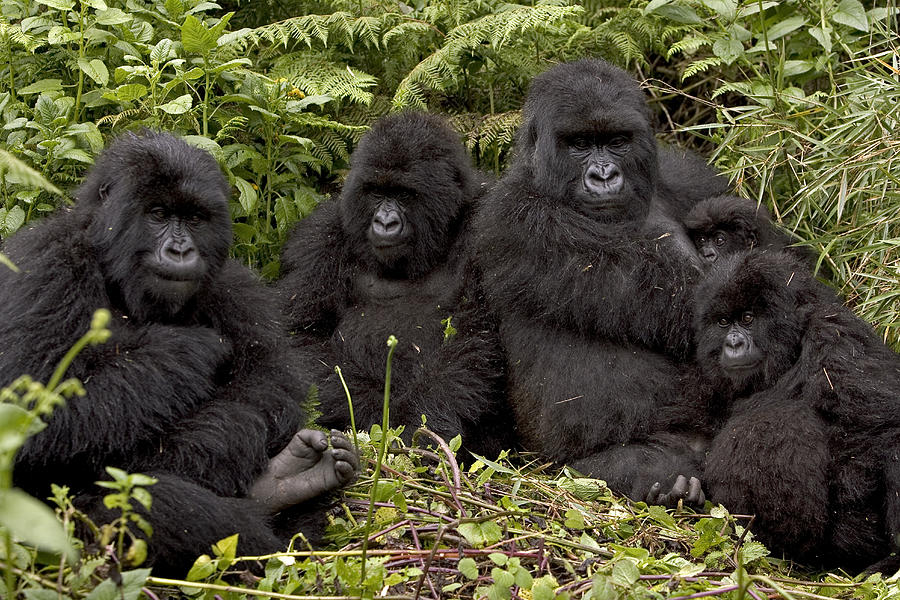
Combining policy, community action, and research creates momentum. Recent successes, such as green turtles improving globally and mountain gorillas reaching over 1,000 individuals, prove that dedicated work pays off.

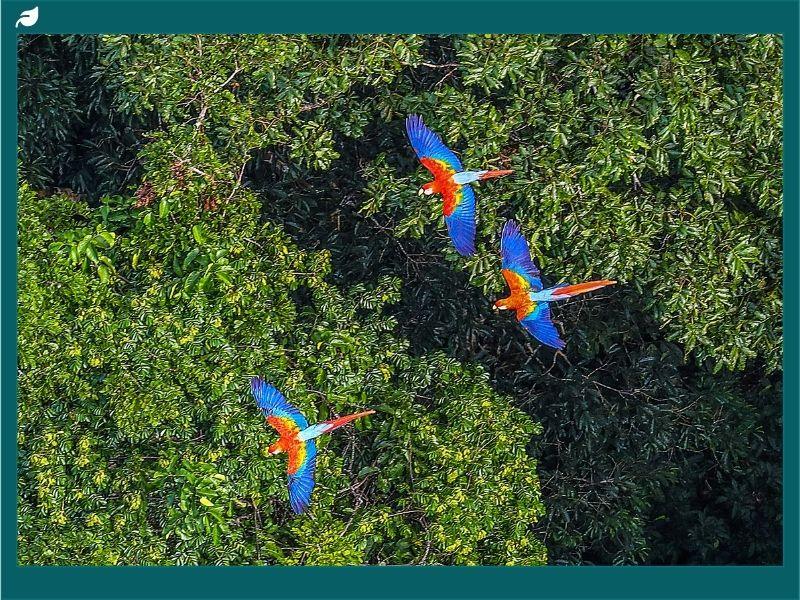
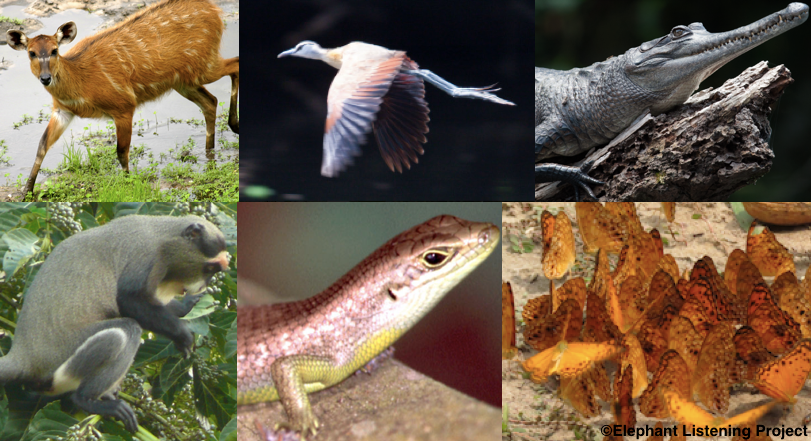
Exploring Key Biodiversity Hotspots
As of late 2025, there are still 36 recognized biodiversity hotspots, with an ongoing comprehensive review incorporating new data.
Notable Hotspots and Their Diversity
- Tropical Andes: Rich in orchids and birds, including unique bears.
- Madagascar: Nearly all species endemic, home to diverse lemurs.
- Sundaland: Hosts orangutans and rare plants.
- Indo-Burma: Features high variety in reptiles and amphibians.
Many have lost over 70% of original vegetation.
Primary Threats They Face
- Agricultural expansion and logging.
- Shifting climate patterns affecting rainfall.
- Illegal hunting and trade.
- Introduced species competing with natives.
Coordinated global responses are essential.

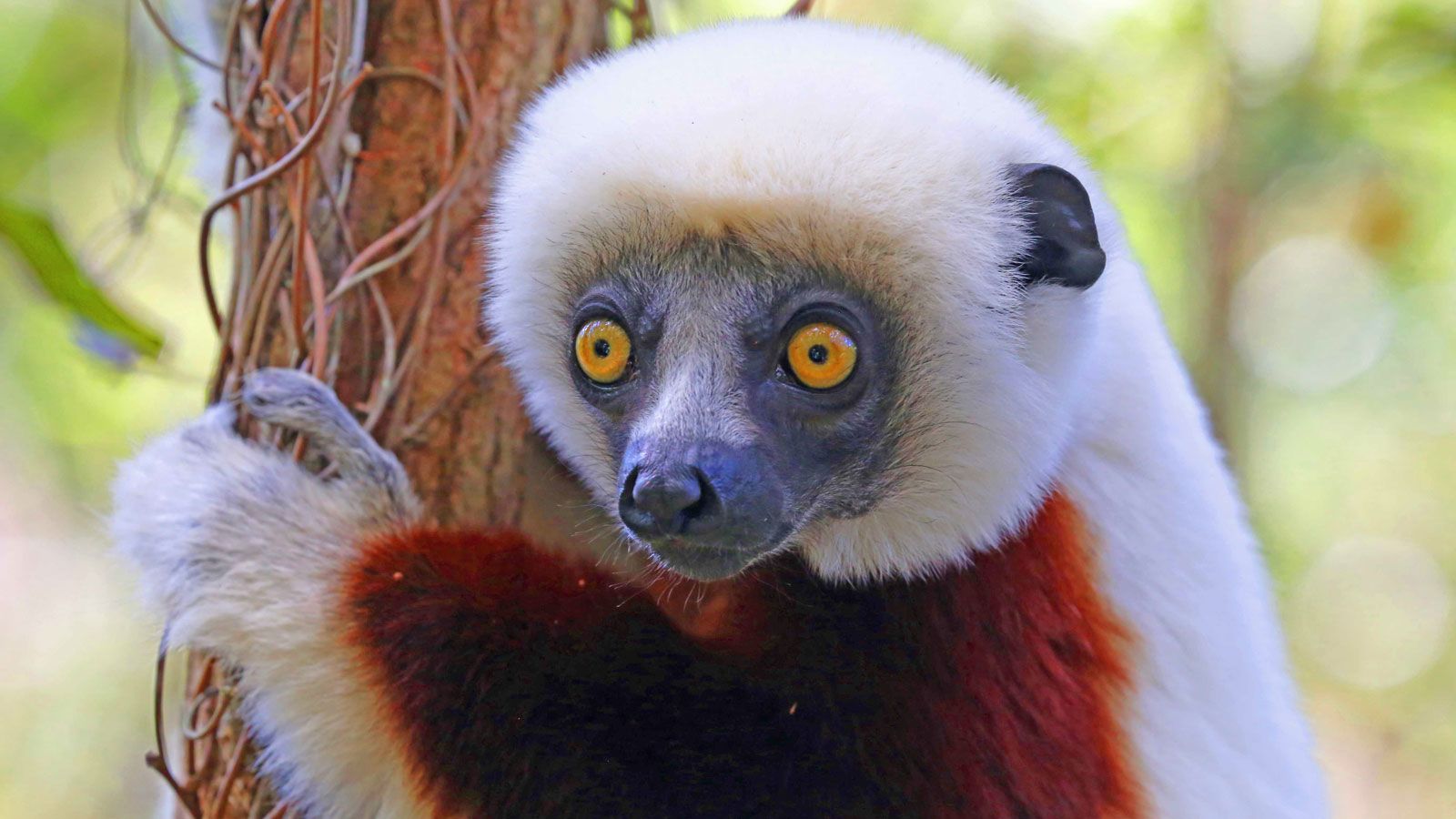
Spotlight on Threatened Species
Certain animals highlight the stakes involved in hotspot protection. If you're exploring options like a cool Wintergreen vape, consider how everyday habits tie into broader sustainability.
Standout Examples
- Mountain gorillas: Populations growing through anti-poaching and habitat security.
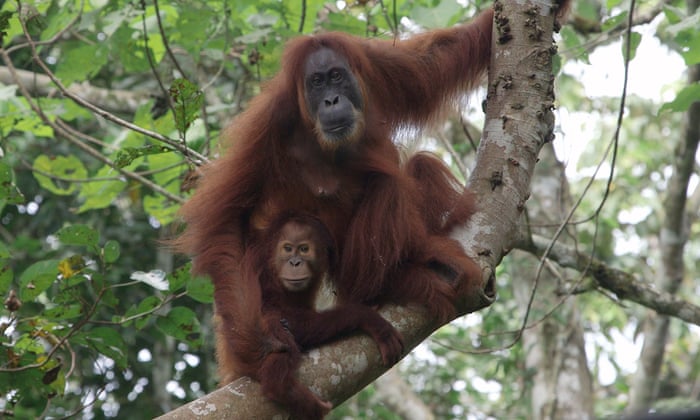
- Orangutans: Facing severe losses from palm oil development.
- Lemurs: Most species at risk in isolated Madagascar forests.
- Vaquita: Critically low numbers from incidental capture.
Their Ecological Importance
- Seed dispersal maintaining forest health.
- Indicators of overall ecosystem condition.
- Sources for human benefits like drugs.
- Cultural value for local peoples.
Positive trends in some areas show interventions work.
:max_bytes(150000):strip_icc()/GettyImages-107246950-48773102b7e0453c8011a7816886c947.jpg)

Steps You Can Take Today
Anyone can contribute to protection efforts.
- Choose sustainable options in daily life, like responsible products.
- Participate in local nature activities or citizen science.
- Back conservation groups financially or through advocacy.
- Share information to raise awareness among others.
Small consistent actions build bigger impact.
Saving biodiversity hotspots and their endangered species secures essential benefits like clean air and resilient food systems. With 2025 bringing updates to conservation priorities and proof that efforts succeed, there's reason for optimism. I've found that learning about these issues inspires me to make better choices, including trying quality products from lines like the Modus Kado Bar. What will you do to support this cause?
Comments